Archaeological microimage takes third place in the 2025 DNRF photo competition.

Microscopic beauty settles an age old conflict
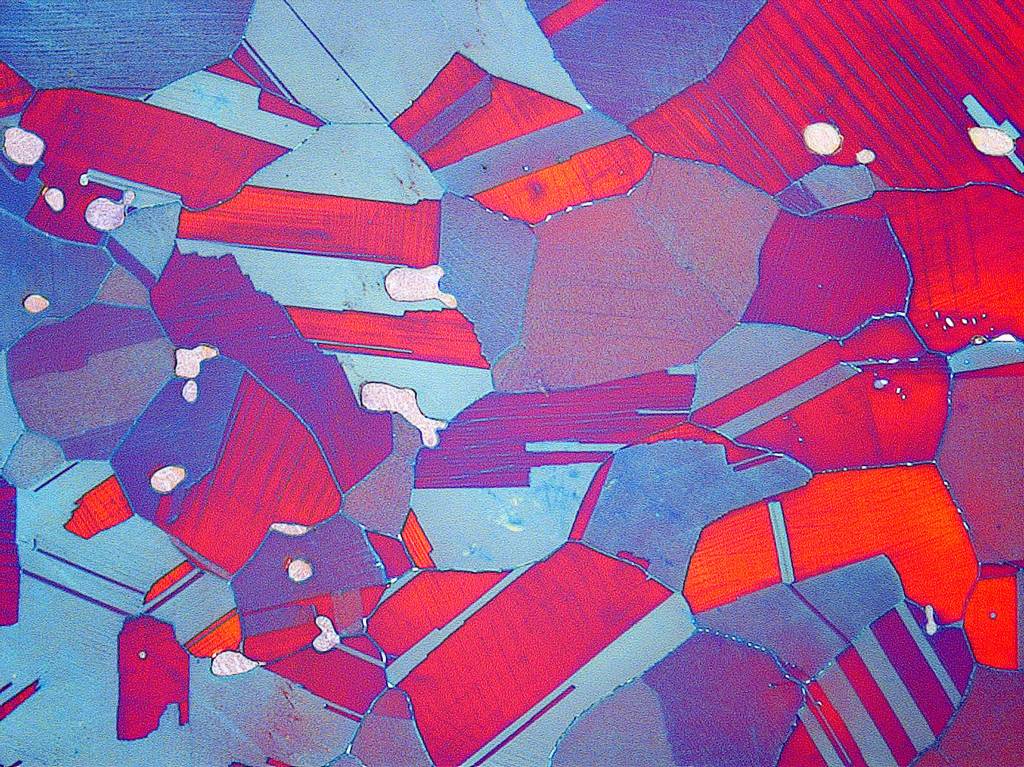
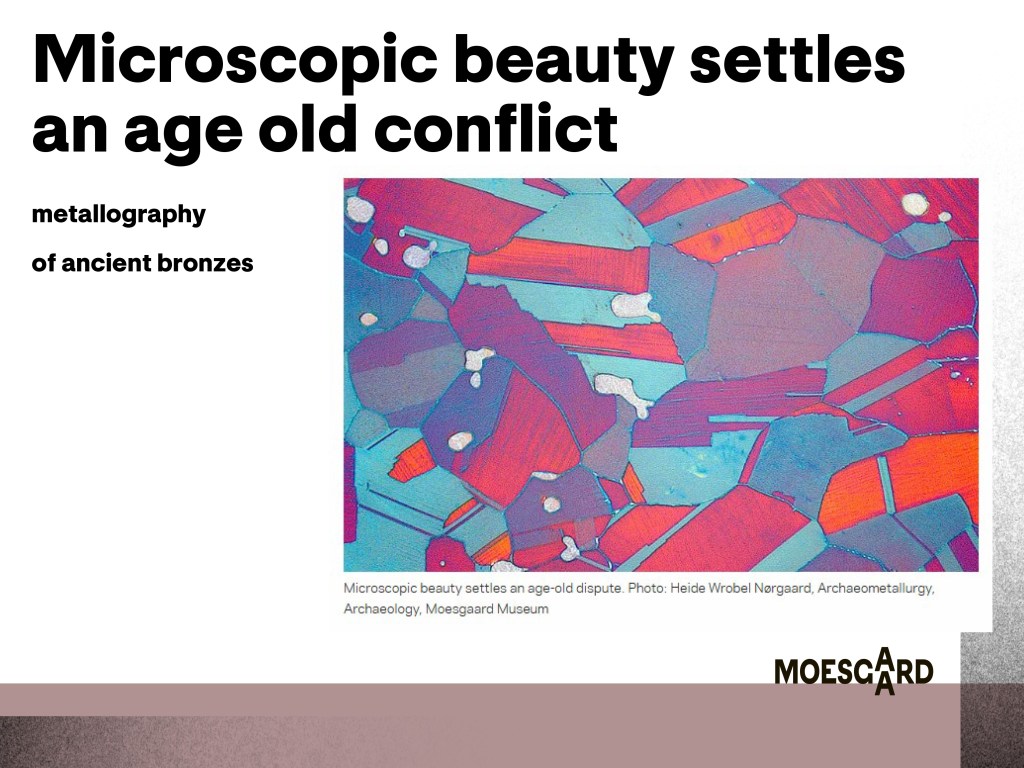
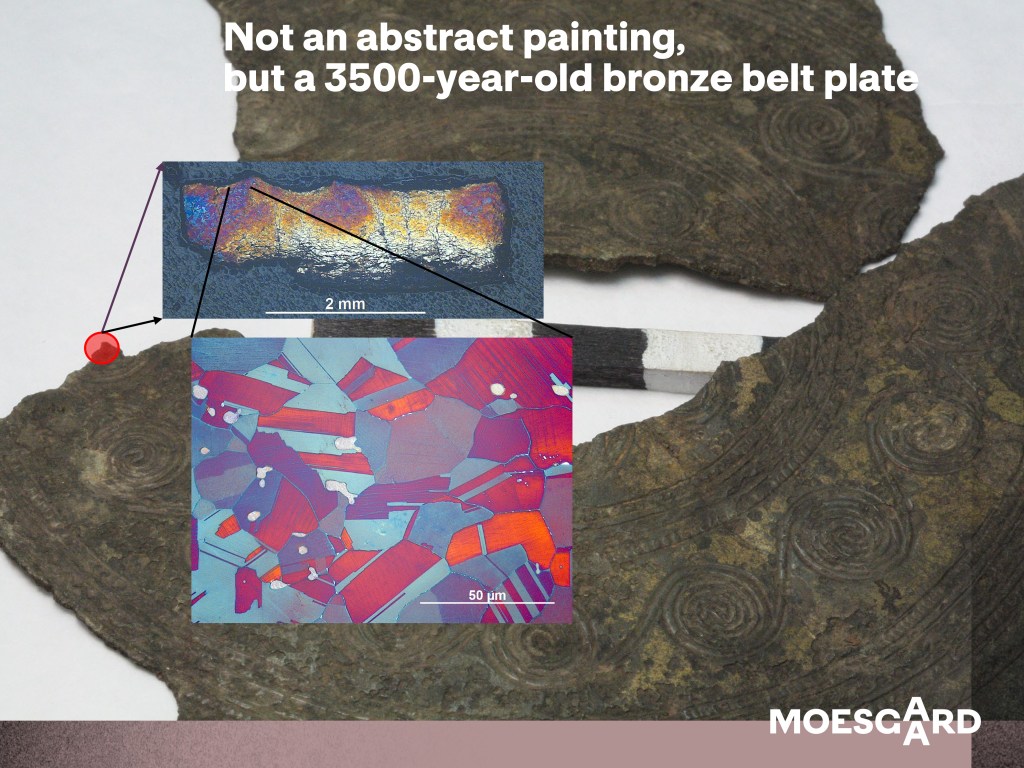
A microscopic image of a Bronze Age belt plate shows that the bronze disc was cast and finalised by forging (picture Heide W. Nørgaaard).

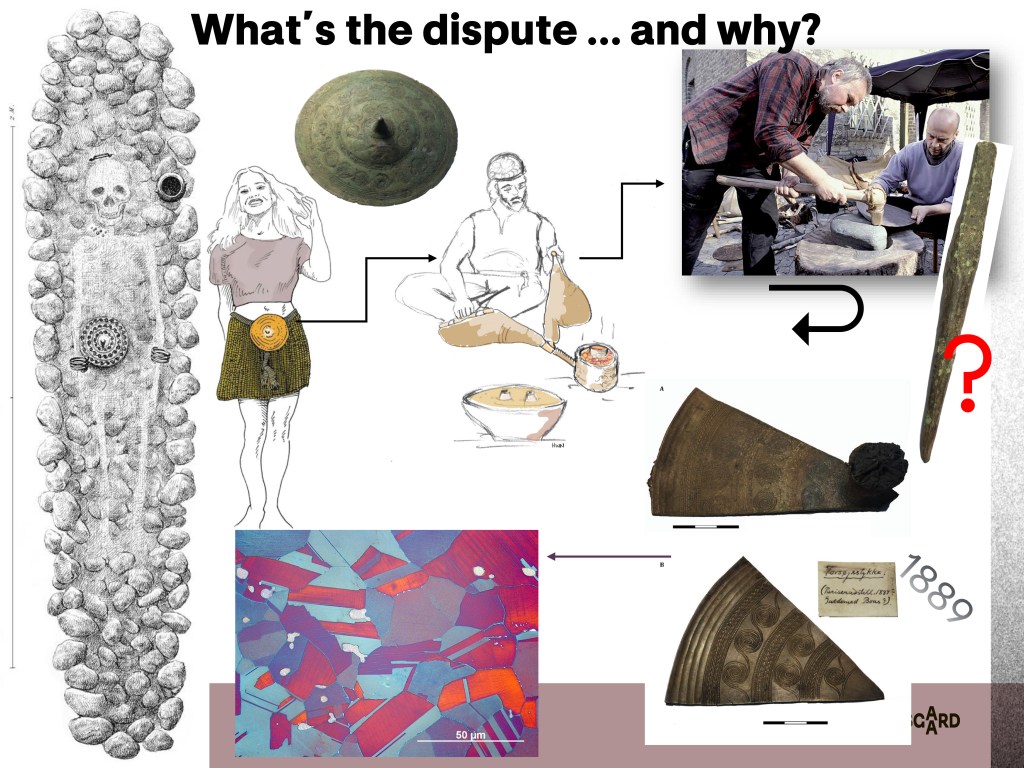
This micrograph of a 3,500-year-old bronze plate is key to understanding the technology and skill involved in making the large bronze jewellery that characterised the Danish Bronze Age and made this region unique. The production of these highly decorated objects has always been of public interest, as demonstrated by the attention it received from archaeologists since the inception of archaeology under J. J. A. Worsaae. In the 1870s, this practice sparked a debate among archaeologists, who doubted the feasibility of working bronze with bronze tools. First in the 1890´s the problem was solved through an experiment inititated by Sophus müller.

Vagn Frabricius Buchwald was the first person to apply the natural scientific method of metallography to Scandinavian prehistoric artefacts. This image of the crystallographic structure of a belt plate, prepared with a colouring etchant, proves that the bronze disc was cast and finalised by forging. Interdisciplinary research is the only way to solve disputes that have persisted for over a hundred years.
You want to know more? Watch a short video explaining the science behind the metallography on the Danish National Research Foundation homepage or here:
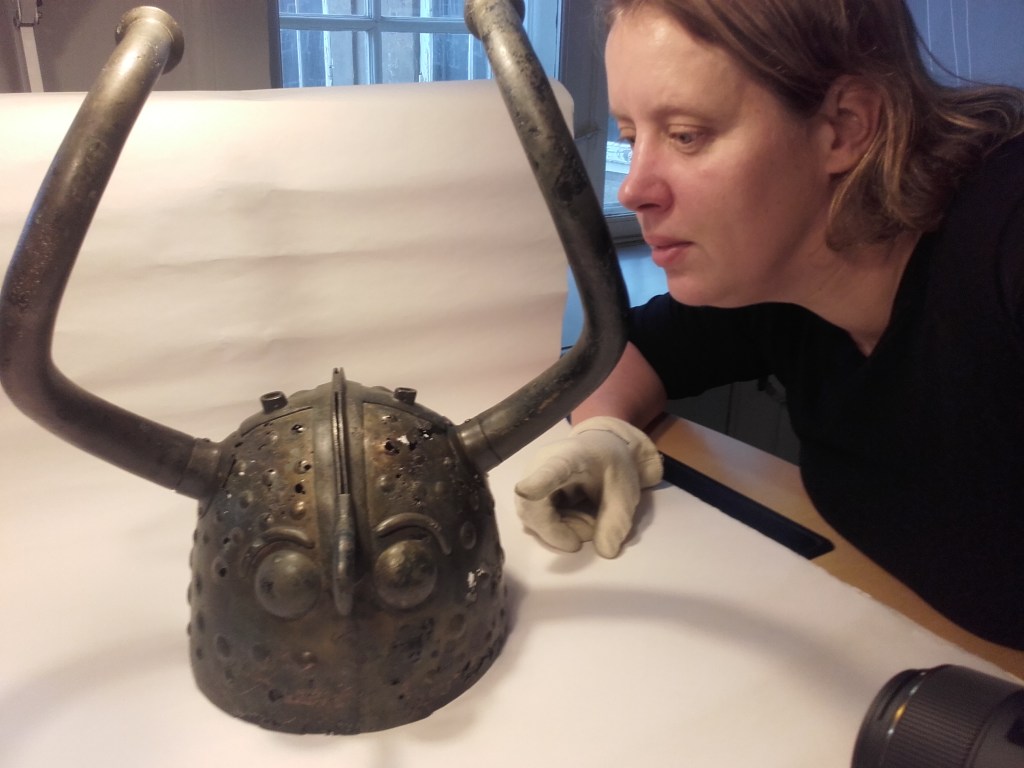
Har vikingerne virkelig ingen horn på deres hjelme? Hos MoMu lørdag den 23.09.2023 får du svar…

Bliv klogere på de hornede hjelme og spis dig mæt i den lækre buffet til MOMU-lørdag.

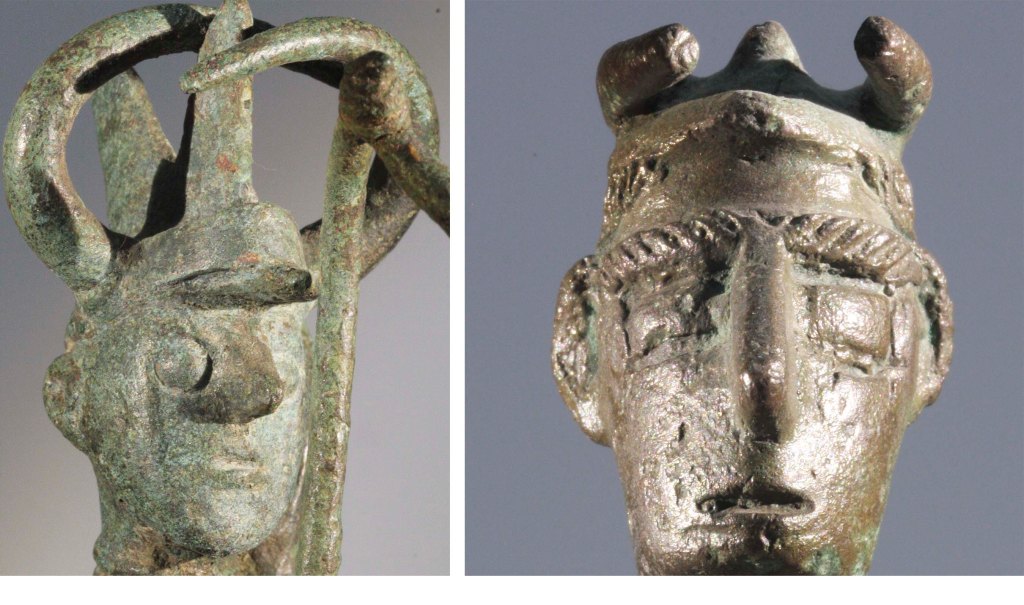
Der er faktisk slet ikke noget, der tyder på, at vikingerne bar hjelme med horn. Tværtimod, så har nyere kulstof-14 undersøgelser foretaget på de hornede hjelme fra Viksø vist, at hornede hjelme faktisk var et fænomen i bronzealderen i stedet.  

Men hvor stammer myten om vikingernes hornede hjelme så fra og hvilke hemmeligheder holder hjelmene fra Viksø på? Køb billet til MOMU-lørdag og bliv både klogere og dejlig mæt. Jeg glæder mig meget til at fortælle om de eneste bronzehjelm med horn som findes – hjelmene fra Viksø.

Interested in the idea of ambassadors in Bronze Age trade networks?

My completed research project on the connections between female mobility and metal trade in Bronze Age northern Europe resulted in the idea of ambassadors. Here, ambassadors are seen as people, female as male, who connect social groups and establish and maintain networks. These networks involve the trade of metals and other goods, leading to an increasing exchange of people and, thus, knowledge. The exchange of knowledge is fundamental for social development.

For more, join my forthcoming lectures on this topic at:

  • the Kiel Conference 2023: Scales of Social, Environmental and Cultural Change in past Societies #KielScales23, Session 1, Monday 13th March 16.00.
  • and at the EEA Meeting in Belfast 30th August – 2nd September 2023, Session: #480, Metals and Metalworking I

New project about the Viksø helmets launched!

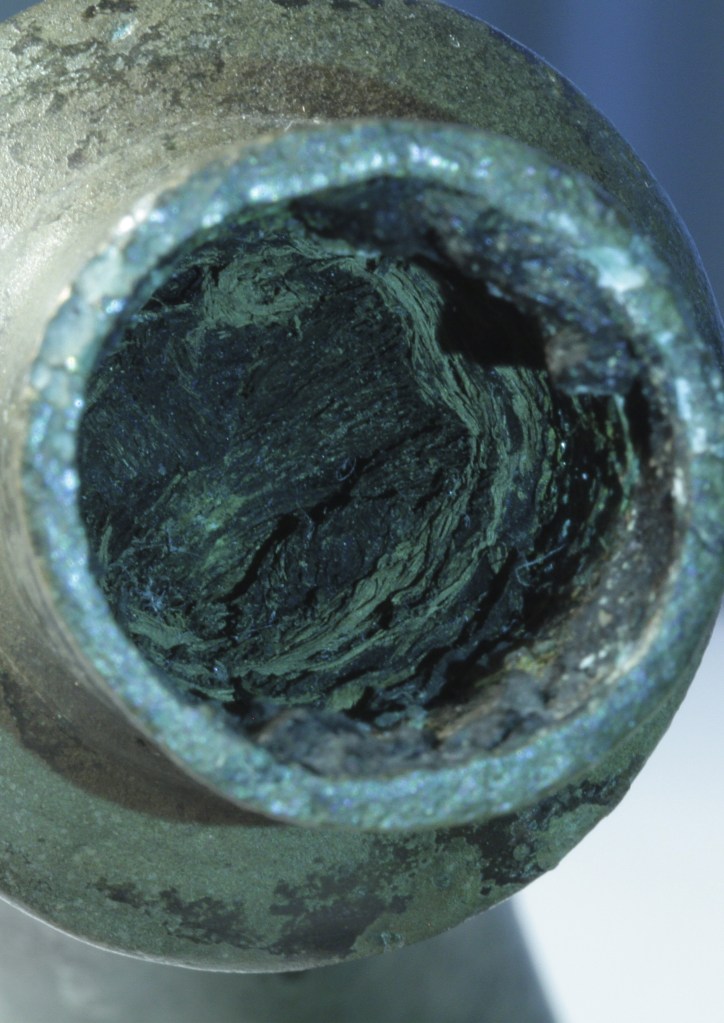
Start of 2022 the news around the world reported that organic material from one of the horns of the Viksø helmets could be scientifically C14-dated and make their use around 950 BC very likely. Not surprisingly for Danish archaeologists, these helmets come from the late Bronze Age. What is surprising, however, is that this new date marks the first published scientific analysis of these artifacts. In October 2022, the Danish Cultural Ministry announced the newly financed research projects within the humanities and the project Viksø re-investigated was one of them! Following, I will spend the next years creating an interdisciplinary biography of the Viksø helmets. A combination of a craft-technical analysis, the archaeometallurgical fingerprint of the helmets, and local workshops combined with a stylistic and iconographic examination of contemporary helmets will give us new insights into the helmet’s origin and meaning!